NACIWA President, Olukoyede, Highlights EFCC’s Reforms, Calls for Stronger Justice System to Combat Financial Crimes
- October 16, 2026
- Posted by: Public Affairs Officer
- Categories: Events, News
NACIWA President, Olukoyede, Highlights EFCC’s Reforms, Calls for Stronger Justice System to Combat Financial Crimes
…Tinubu Commends EFCC’s Record Convictions, Asset Recoveries
The President of the Network of Anti-Corruption Institutions in West Africa (NACIWA) and Executive Chairman of the Economic and Financial Crimes Commission (EFCC), Mr. Ola Olukoyede, has reaffirmed the need for stronger collaboration among anti-corruption institutions, investigators, prosecutors and the judiciary to effectively combat economic and financial crimes in the digital age.
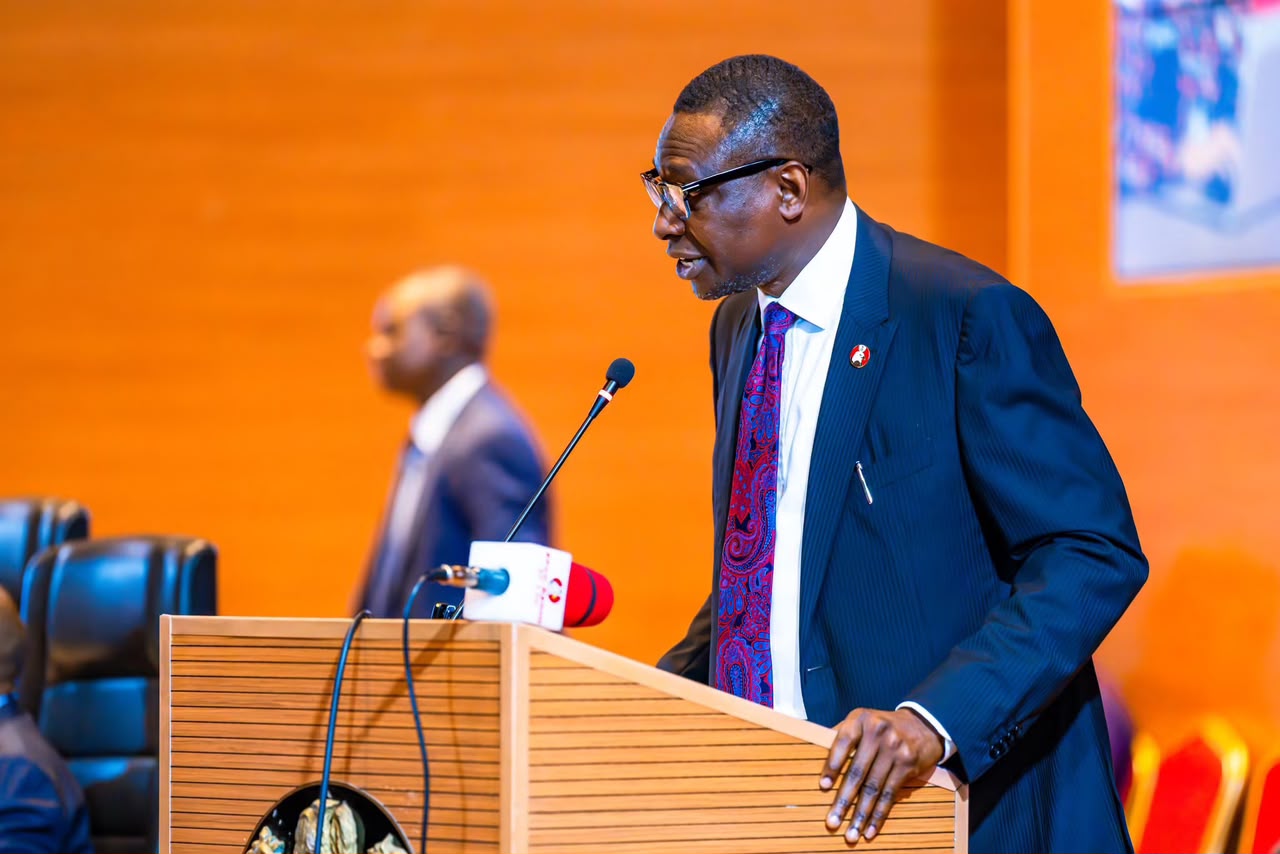
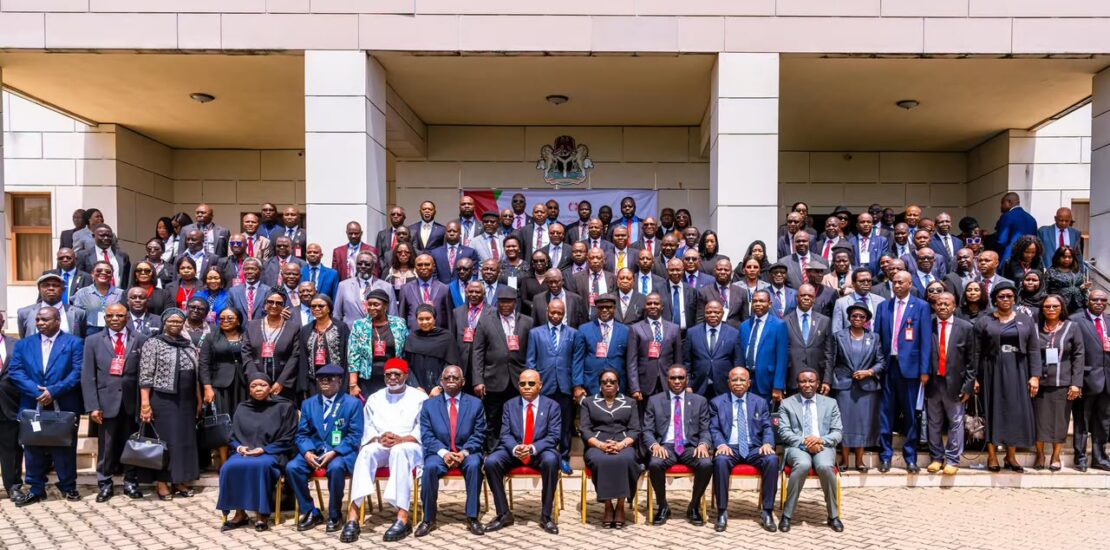
Olukoyede made the call at the opening ceremony of the 8th EFCC/National Judicial Institute (NJI) Workshop for Judges and Justices, held in Abuja on Tuesday, October 13, 2026. The three-day workshop, themed “Investigation and Prosecution of Economic and Financial Crimes in a Digital Age,” brought together judicial officers, legal practitioners, anti-corruption experts and other stakeholders to examine emerging challenges in the investigation and prosecution of financial crimes.
In his welcome remarks, Olukoyede highlighted the operational reforms undertaken by the EFCC to strengthen investigations, improve prosecution outcomes and enhance asset recovery. He noted that the Commission was deepening its intelligence-led investigative approach, strengthening forensic capabilities, expanding domestic and international cooperation, and improving its capacity to address crimes involving emerging financial technologies.
“We do not seek simply to investigate more people; we seek to investigate more intelligently. We do not seek merely to prosecute more cases; we seek to prosecute cases that are properly investigated and capable of meeting the required standard of proof,” he said.
The EFCC Chairman identified procedural delays, frivolous adjournments and frequent changes of legal representation as some of the challenges undermining the timely determination of complex financial crime cases. He warned that prolonged trials could weaken evidence, affect witness availability and erode public confidence in the justice system.
He urged judicial officers to uphold the highest standards of integrity and ensure rigorous and timely adjudication of corruption cases without compromising due process, fair hearing or the rule of law.
Olukoyede also called for a more integrated justice system in which investigators understand evidentiary requirements, prosecutors anticipate legal challenges, forensic experts effectively present digital evidence, and judicial officers remain abreast of evolving methods used to perpetrate and conceal financial crimes.
Tinubu Commends EFCC’s Achievements
President Bola Ahmed Tinubu, represented by Vice President Kashim Shettima, commended the EFCC for its achievements in combating financial crimes, recovering illicit assets and strengthening Nigeria’s international financial standing.
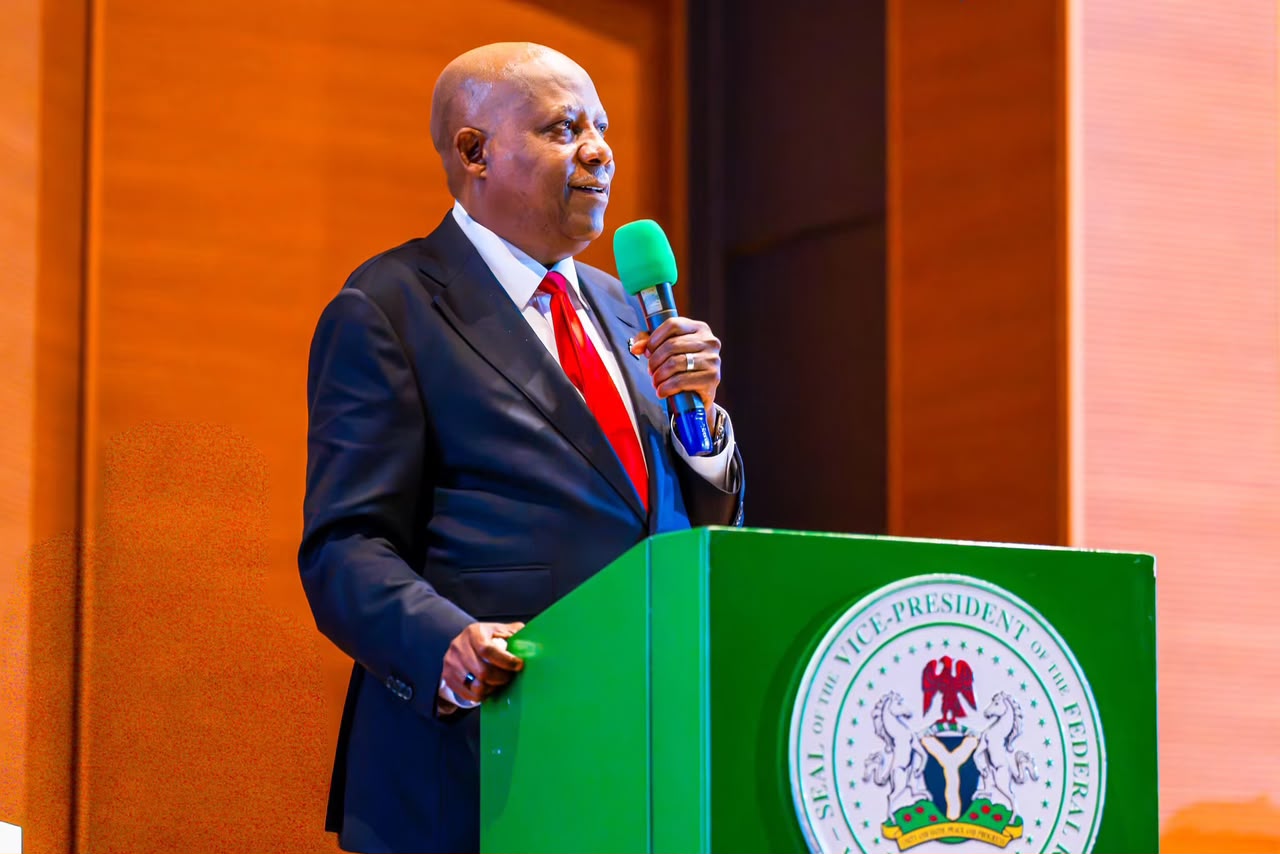
The President particularly praised the Commission’s efforts in tackling cryptocurrency fraud and recovering virtual assets, describing its response to technology-driven crimes as proactive and forward-looking.
During the first 34 months of the current administration, the EFCC filed 14,476 cases in court and secured 10,872 convictions, representing a 75.1 per cent conviction-to-filing ratio. In the first half of 2026, the Commission recorded 1,370 convictions from 1,889 case filings.
The Commission also recovered ₦1.233 trillion, $684,478,457.32, £373,905.78 and €9,343,803.66 in monetary assets.
President Tinubu further cited the successful prosecution and subsequent deportation of 192 foreign nationals arrested for cyberterrorism and cryptocurrency fraud as evidence of the Commission’s commitment to confronting technology-driven criminal activities.
He called for continuous capacity building for investigators, prosecutors and judicial officers, noting that developments in blockchain technology and artificial intelligence were creating increasingly complex challenges for law enforcement and the justice system.
The President also pledged the Federal Government’s continued support for judicial capacity development and stressed that the fight against corruption must remain a collective responsibility of all arms of government.
Stakeholders Call for Stronger Institutional Cooperation
The Chief Justice of Nigeria, Justice Kudirat Kekere-Ekun, emphasized the importance of equipping judicial officers to handle emerging forms of financial crime while preserving judicial independence, fair hearing and due process. She highlighted the complexities associated with cryptocurrency transactions, encrypted communications, electronic records and cross-border financial activities.
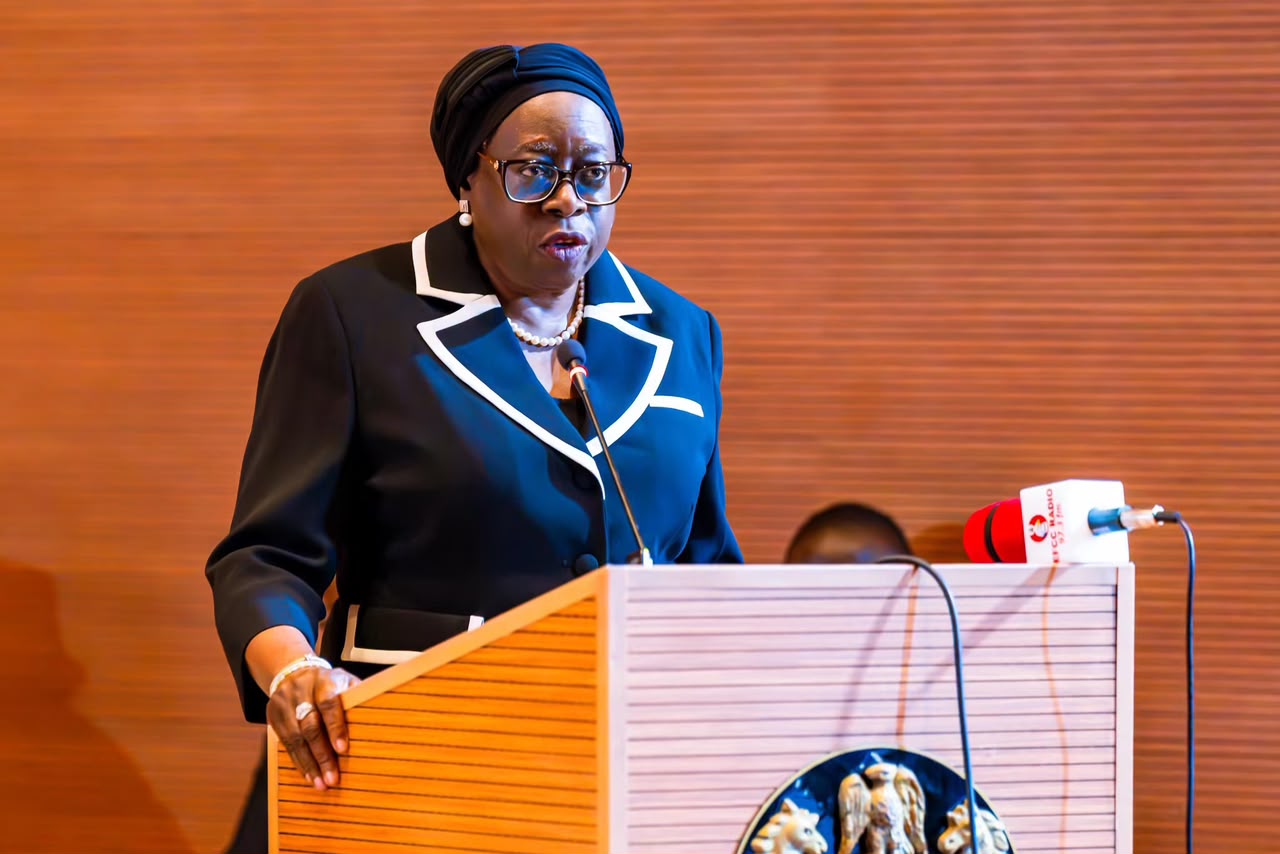
She also underscored the importance of effective case management under the Administration of Criminal Justice Act, 2015, and cautioned that efforts to improve coordination within the justice system must never extend to influencing judicial decisions.
The Attorney-General of the Federation and Minister of Justice, Lateef Fagbemi, stressed that effective prosecution must be built on thorough investigations and the lawful collection, preservation, authentication and presentation of digital evidence. He called for stronger cooperation among the Ministry of Justice, EFCC, judiciary, financial intelligence institutions and other relevant agencies.
Similarly, the Chairman of the Senate Committee on Anti-Corruption, Senator Emmanuel Udende, identified delays in the determination of financial crime cases as a major obstacle to effective justice delivery. He advocated improved case management, reduced avoidable adjournments and sustained capacity building, while emphasising the need to protect the rights of accused persons.
The Chairman of the House Committee on Financial Crimes, Ginger Obinna Onwusibe, called for reforms to address gaps in digital evidence, virtual asset management and the legal framework for combating cybercrime and money laundering. He also pledged the National Assembly’s support for improved forensic infrastructure, specialised training and relevant legislative reforms.
Advancing the Anti-Corruption Agenda
The workshop reinforced the need for a coordinated and technologically responsive approach to combating financial crimes. Discussions focused on strengthening digital forensic capabilities, improving the handling of electronic evidence, reducing procedural delays and enhancing cooperation across the criminal justice system.
For NACIWA, these priorities underscore the importance of collaboration among anti-corruption institutions across West Africa, particularly as financial crimes increasingly transcend national borders and exploit emerging technologies.
Olukoyede’s emphasis on intelligence-led investigations, effective prosecution, transparent asset recovery and institutional cooperation reflects the broader need for anti-corruption agencies to strengthen professional standards, share expertise and build the capacity required to respond to evolving threats.
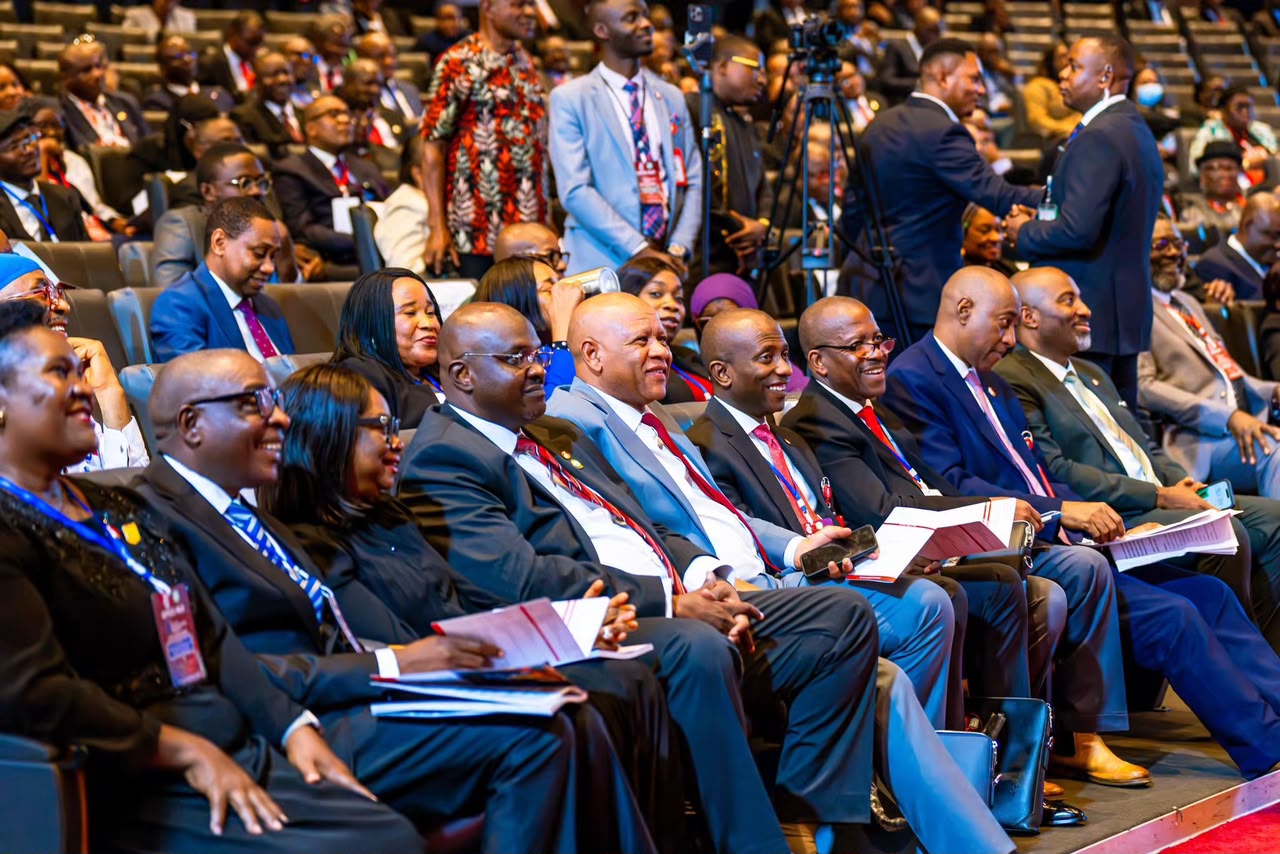
The workshop concluded on Thursday, October 15, 2026, with renewed calls for stronger synergy among the judiciary, law enforcement agencies, legal practitioners and other stakeholders in the collective pursuit of accountability, justice and the rule of law.