MAKOLA TOWN Prologue — The Town That Knew Too Much
- February 13, 2026
- Posted by: Public Affairs Officer
- Category: Programs
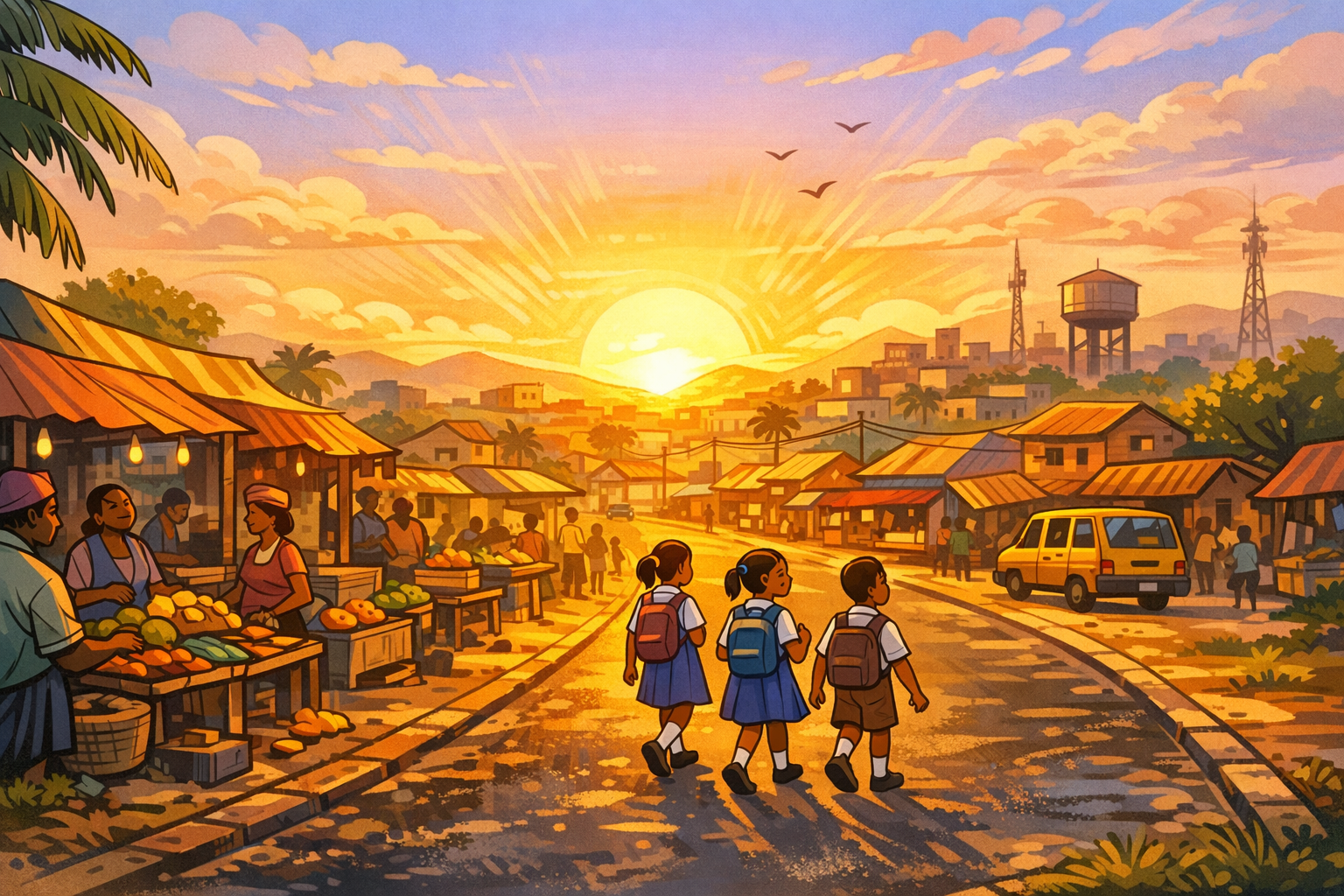
Makola once glittered in the sunlight. Its markets were loud with bargaining and laughter. Its schools overflowed with dreams. Its roads stretched confidently into the horizon. Investors praised it. Visitors admired it. Its leaders spoke proudly of progress. Makola was a town of promise.
And yet, something did not add up.
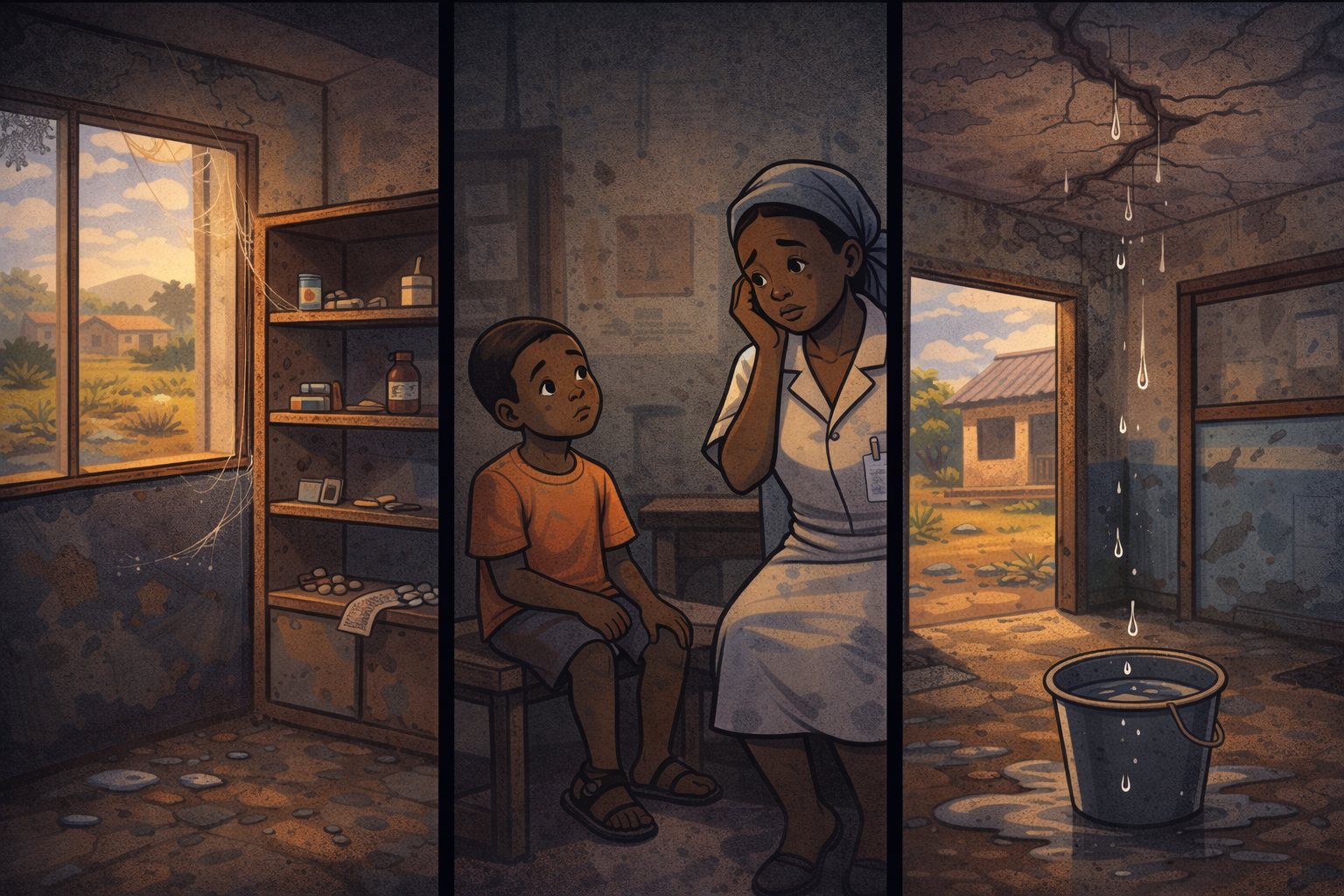
The clinic had no medicine, though budgets said otherwise. The school roof leaked, though funds had been approved. The new road cracked within weeks of commissioning.
The people noticed. They always notice. They whispered in market corners. They sighed at PTA meetings. They joked about it in taxis. They shook their heads and moved on. Everyone knew. But no one spoke. Not because they did not care. Not because they were blind. But because silence felt safer than truth.
In Makola, questions had consequences. Some said it was just “how things are.” Some said one voice would not change anything. Some said survival mattered more than principle. And so, the town adjusted. Adjusted to missing funds. Adjusted to ghost projects. Adjusted to officials who prospered mysteriously.
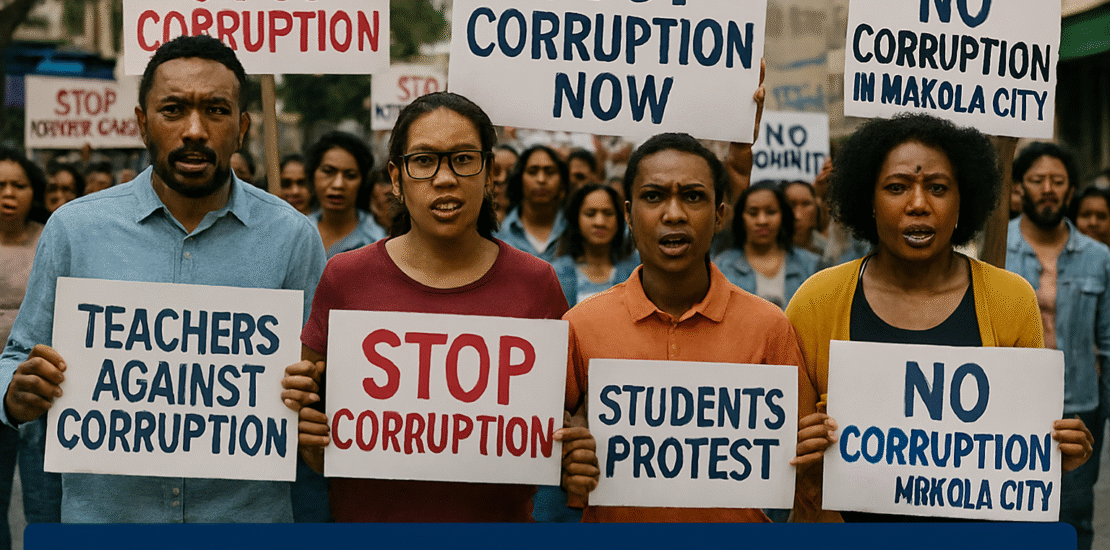
Until one day, something small shifted. A document surfaced. A number did not reconcile. A teacher asked a question. And the silence cracked. Makola was about to discover that knowing the truth and defending it are not the same thing.
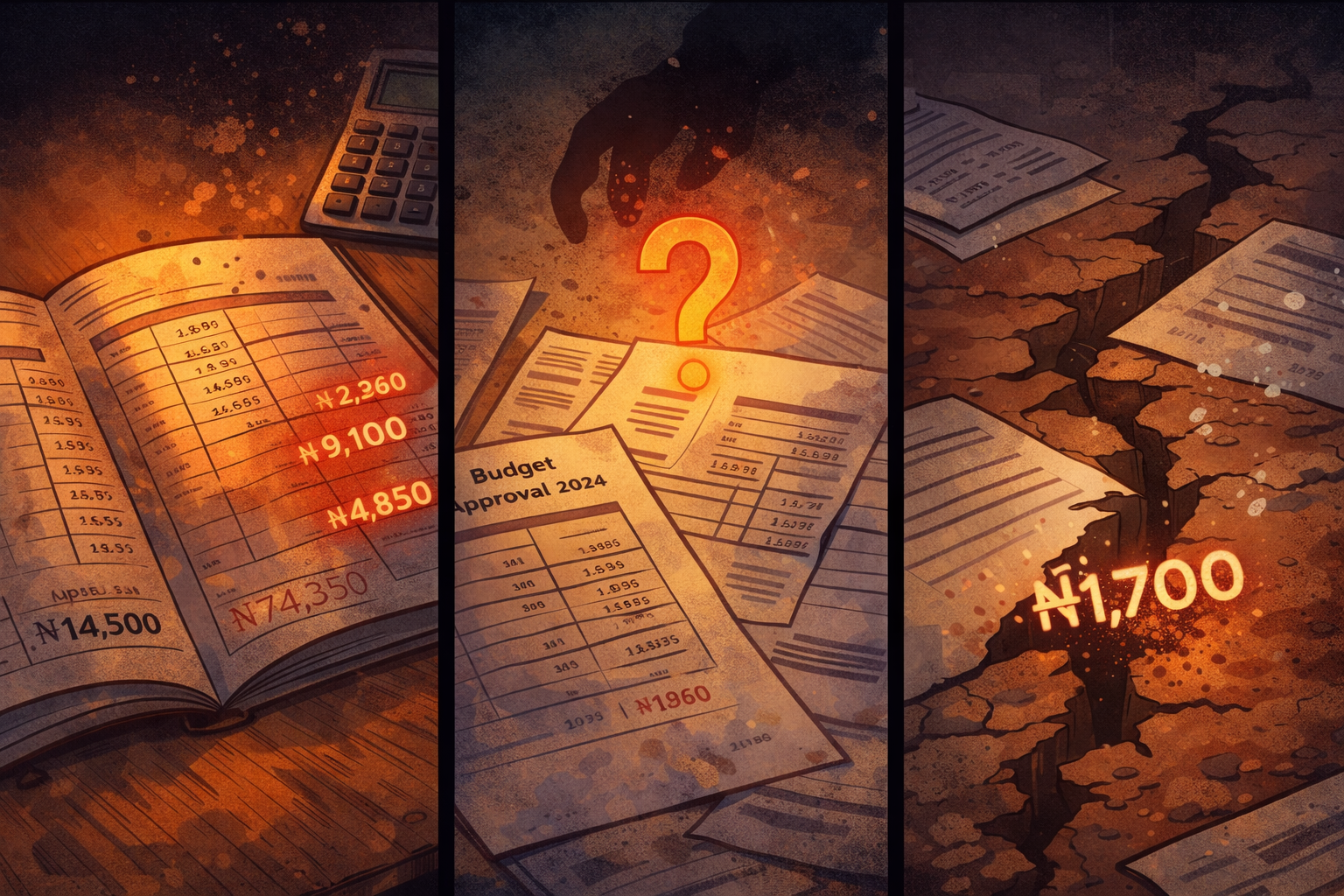
This is the story of a town that knew too much. And what happened when it finally decided to act.
Next Episode Episode 1 — “The Cracks in the Classroom” Coming Soon.
Reflection Corner
Before Episode 1 begins, consider:
Why do communities sometimes normalize what they know is wrong?
Is silence a form of protection, or participation?
What would make you speak, if you lived in Makola?
Share your thoughts below.
What This Story Is
Makola Town is a fictional story created to explore ethical choices, public accountability, and the consequences of corruption. The town, its characters, and its events are imaginary. Any resemblance to real persons or situations is coincidental. The purpose of this series is to:
Encourage reflection
Strengthen integrity values
Promote dialogue
Inspire civic responsibility